



Get in Touch


Regd Office Address :
E 3-398, Jote Shibrampur , Greenfield City, BL-43, FL-9D, South 24 Parganas- 700141, Kolkata, West Bengal, INDIA
info@atgmmarineauditor.in
Phone
+91-3335587600 ( T )
+91-9163466505 (M)
Branch Office in US:
3570, Jasmine Circle, San Jose, CA 95135, California, USA
info@atgmmarineauditor.in
Phone
+1-6696490535
Branch Off. in Taiwan:
No. 265, Sec. 2, Datong Road, Xizhi Dist., New Taipei City, Taiwan 221044
info@atgmmarineauditor.in
Phone
+886-919252034
Ship Audit
A ship audit is a comprehensive evaluation of a vessel's compliance with international maritime regulations, such as the International Safety Management (ISM) Code, the International Ship and Port Facility Security (ISPS) Code, and the Maritime Labour Convention (MLC). This introductory section provides an overview of the key elements of a ship audit.
ATGM MARINE AUDITOR LLP : We do Internal and External Audit ( ISM, ISPS & MLC) , Inspection (Engine Room, Bridge & Deck) for 3rd Party On/Off Hire Charter ,FMEA for all types of Ships


Our Mission
Is to consistently help our customers and solve each and every one of their problems. We will never give up on finding the highest quality solutions that are agile, flexible, and versatile.

Our Vision
Is to be a trusted solutions provider spurring innovation through expertise and collective wisdom. We seek to find the most optimal outcome by doing the right thing, the right way always.
why ISM Audits are Important
Safety Management System
The ISM Code requires the establishment of a robust Safety Management System (SMS) to ensure the safe operation of the vessel and the prevention of pollution.
Certification
Compliance with the ISM Code is verified through a certification process, including initial, annual, and renewal audits.
Responsibilities
The code outlines the responsibilities of the shipping company, the ship's master, and the crew in maintaining the SMS and ensuring compliance.
The value of ISPS Audits
Security Measures
The ISPS Code establishes security measures to prevent and respond to security threats, including access control, surveillance, and communication protocols.
Certification
Compliance with the ISPS Code is verified through a certification process, including the development of a Ship Security Plan and regular security audits.
Responsibilities
The code assigns specific responsibilities to the shipping company, the Ship Security Officer, and the Port Facility Security Officer to ensure effective implementation of security measures.

Overview of MLC
Labor Standards
The Maritime Labour Convention (MLC) establishes minimum standards for the working and living conditions of seafarers, including wages, hours of work, and access to medical care.
Certification
Compliance with the MLC is verified through a certification process, including the development of a Declaration of Maritime Labour Compliance and regular labor audits.
Enforcement
The MLC is legally binding, and non-compliance can result in port state control inspections, detentions, and financial penalties.
Audit Preparation
Document Review
Carefully review all relevant documents, including the Safety Management System, the Ship Security Plan, and the Maritime Labour Compliance documents.
Onboard Inspection
Perform a thorough inspection of the vessel, including its equipment, facilities, and operational procedures, to verify compliance.
Crew Interviews
Conduct interviews with the ship's crew to assess their understanding and implementation of the various maritime codes and regulations.

Audit Process

Document Review
Examine the ship's documentation, including logs, records, and certificates, to ensure they are up-to-date and accurately reflect the vessel's operations.

Crew Interviews
Conduct interviews with the ship's crew to assess their knowledge and implementation of the various maritime codes and regulations.

Onboard Inspection
Physically inspect the vessel, including its equipment, facilities, and operational procedures, to verify compliance with the relevant regulations.

Audit Findings and Corrective Actions
Identify Non-conformities
Analyze the audit findings and identify any non-conformities or areas of concern.
Develop Corrective Actions
In collaboration with the ship's management, develop and implement appropriate corrective actions to address the identified non-conformities.
Monitor and Verify
Closely monitor the implementation of the corrective actions and verify their effectiveness through follow-up audits or inspections.

Conclusion and Recommendations
01
Comprehensive Evaluation
The ship audit provides a comprehensive evaluation of the vessel's compliance with the ISM, ISPS, and MLC codes, ensuring the safety, security, and well-being of the crew and the environment.
02
Continuous Improvement
The audit process identifies areas for improvement, allowing the shipping company to implement corrective actions and continuously enhance the vessel's operations.
03
Regulatory Compliance
Maintaining compliance with the relevant maritime regulations is crucial for the vessel's continued operation and the avoidance of potential penalties or detentions.
Ship Inspection
Ship inspections are essential to ensure the safety, compliance, and seaworthiness of vessels. These comprehensive assessments are conducted by regulatory authorities like the USCG, AMSA or any other PSC to evaluate a ship's condition, crew, and adherence to international maritime regulations.
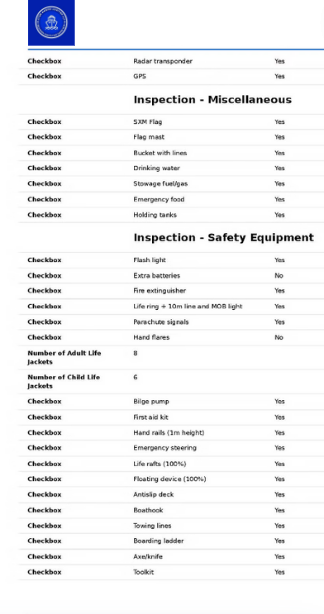
ATGM MARINE AUDITOR LLP : Prepare Ships for 3ʳᵈ
Party On/Off Hire Inspections and FMEA Provide Report

Regulatory Authorities: PSC
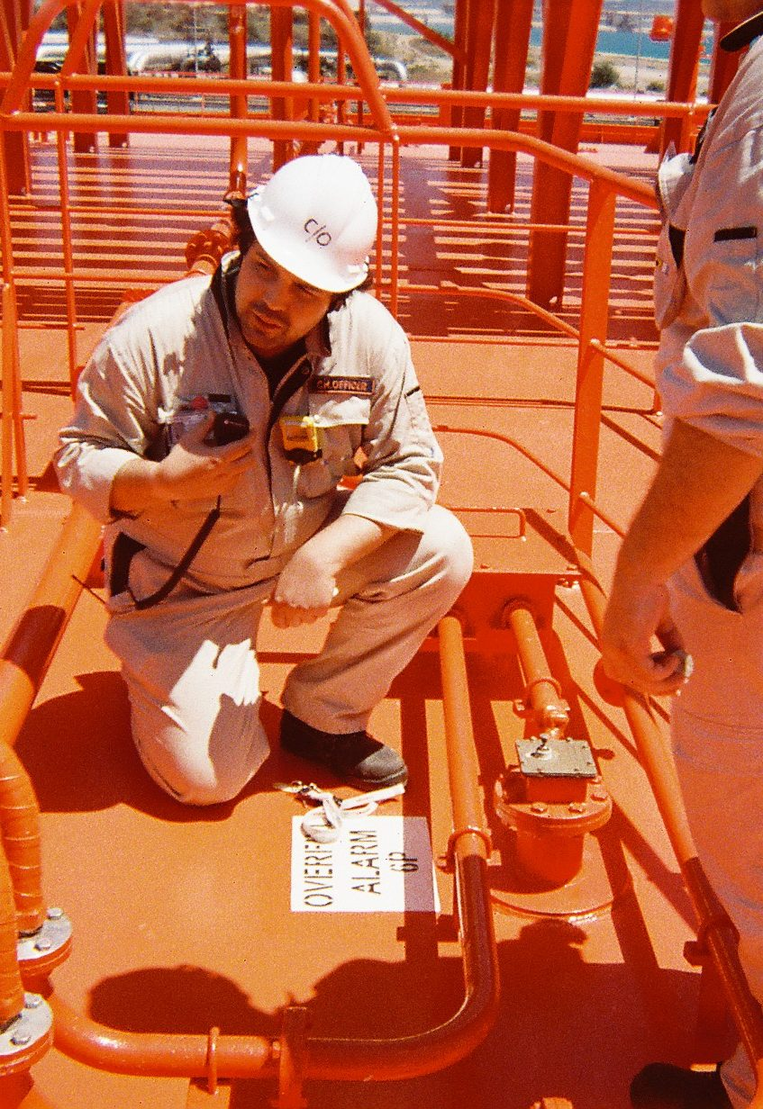
The United States Coast Guard (USCG) and the Australian Maritime Safety Authority (AMSA) are the primary regulatory bodies along with other PSC Authorities are responsible for ship inspections. They work to uphold safety standards, protect the marine environment, and enforce compliance with maritime laws.
ATGM MARINE Provides guidance and prepare Ship’s staff to achieve PSC Inspection with NIL Deffiency.
Scope of Inspections
Structure and Stability
Evaluating the ship's hull, watertight integrity, and loading conditions to ensure overall structural soundness.
Safety and Navigation
Checking the functionality of navigation equipment, firefighting systems, and lifesaving appliances.
Environmental Compliance
Verifying adherence to regulations regarding pollution prevention, ballast water management, and emission control.
Inspection Procedures
01
Document Review
We Inspectors examine the ship's certificates, logbooks, and other required documentation.
02
Physical Inspection
A thorough walkthrough to visually assess the condition of the vessel and its equipment.
03
Crew Interviews
Inspectors engage with the crew to evaluate their knowledge and adherence to procedures.
Common Deficiencies Identified
Structural Defects
Issues with the hull, watertight integrity, or structural components that compromise the ship's seaworthiness.
Safety Equipment Failures
Malfunctioning or inadequate lifesaving appliances, firefighting systems, or navigation aids.
Environmental Violations
Non-compliance with regulations on pollution prevention, waste management, or emissions control.
Consequences of Non-Compliance

Detentions
Ships with significant deficiencies may be detained until the issues are resolved, causing delays and disruptions to operations.

Fines and Penalties
Regulatory authorities can impose substantial financial penalties for violations, which can negatively impact a company's bottom line.

Reputational Damage
Repeated non-compliance can lead to a tarnished reputation, making it more difficult to attract cargo and maintain business relationships.

License Revocation
In severe cases, regulatory bodies may revoke a ship's certificate of seaworthiness or a company's operating license.

Preparing for Inspections
01
Conduct Internal Audits
Regularly assess the vessel's condition and compliance to identify and address any potential issues.
02
Train Crew
Ensure that the crew is well-versed in safety procedures, emergency response, and regulatory requirements.
03
Maintain Documentation
Keep all necessary certificates, logbooks, and records up-to-date and readily available for inspectors.
Continuous Improvement and Best Practices

Embrace Feedback
Actively seek and address feedback from inspectors to continuously improve vessel operations and safety.

Collaborative Approach
Foster a culture of safety and compliance by involving the entire crew in the inspection process.

Leverage Technology
Adopt digital tools and technologies to enhance record-keeping, monitoring, and reporting capabilities.


Industries We Serve
The ISM Code requires shipping companies to hire independent auditors for conducting SMS or ISM audits to ensure unbiased inspection. With 30 years of experience in shipping industry with an extensive track record, The ATGM Marine Auditors carries out unbiased internal and external audits Ship Inspection for 3rd Party ( On/Off ) Hire, FMEA for the Marine Industry.

Breakdown of our ISM Audits Capabilities
The ATGM Marine Auditors, our highly experienced and certified ISM Lead Auditors can undertake all kinds of ISM audits, anywhere, anytime, at short notice.